

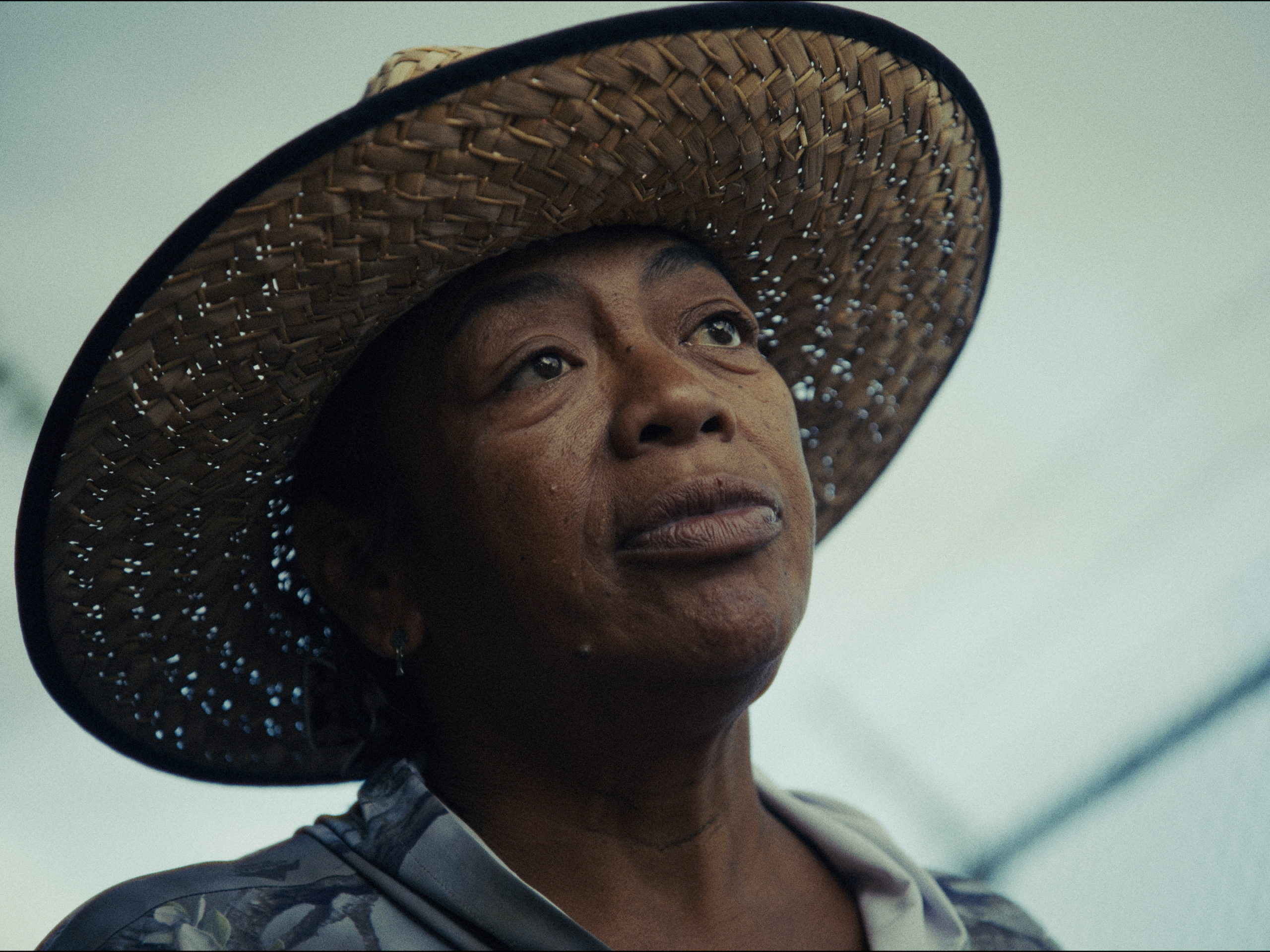
A Review of NIU FOREVER, Directed by Alex Cantatore
I produce news at KBFD-TV, a station serving the Korean and Asian American communities in Hawaiʻi. This July, I translated two local reports about the coconut rhinoceros beetle and produced them for our Korean-language newscast. The July 6 report covered the steps a local composting facility had taken after three adult beetles were found dead on June 4 in a trap in Waikapū, Maui. On July 9, we reported that another adult beetle had been found dead three days earlier, on July 6, in a trap at Hilo International Airport on Hawaiʻi Island. At the time, I did not take the situation very seriously. Both were brief news items, but to be honest, I also knew too little about environmental issues to understand why they mattered.
Seeing NIU FOREVER (2026) at this year’s Hawaiʻi International Film Festival changed the way I look at this beetle and at environmental issues in Hawaiʻi. Perhaps this is something a local film festival and a documentary can do. They helped me see what I had missed in a story I had reported myself. The adult beetle bores into the crown of a coconut tree and feeds on young leaves before they unfold. Inside the crown is the tree’s growing point, what we might call its heart. If it is damaged, the tree can die. After seeing the film, even the coconut trees at Ala Moana Beach, where I often go, looked different to me. I still pause when I pass one to look for beetles and see whether anyone has put up netting. If I spot a beetle, I want to be able to report it through the state’s pest reporting website, 643pest.org.
The documentary also taught me that there are many varieties of coconut trees and that the fruit differs from one to the next. At Waikīkī Beach, another place I often visit, the coconuts are picked from some trees before they can fall and injure someone walking below. I felt sorry when I realized that I, too, had looked at those trees as decorations on a beach. The stories I had reported were from Maui and Hilo, but coconut trees have also been damaged across Oʻahu, where I live, including in the area around Joint Base Pearl Harbor-Hickam. I had no idea how bleak those dead trees looked, still standing.
The person who stayed with me most was Indrajit Gunasekara, an immigrant from Sri Lanka who has helped lead the effort to save Hawaiʻi’s coconut trees. At a time when immigrants are not always made to feel welcome, the knowledge he brought from home was helping people here. As someone who also came to Hawaiʻi from another country, I began to wonder what I might contribute. Indrajit grew up in Matara, in southern Sri Lanka, where his family taught him how to grow coconuts. In the film, he recalls how many coconuts his family used for their meals back home. Three or four a day. That number stayed with me. I was used to coconut milk and to coconut as an ingredient in processed foods. Once I began to think of the coconut as a food closely tied to someone’s sense of who they are, I could understand a little better why he wanted to protect the trees.
Koreans often look for kimchi when we go abroad. At such times, kimchi means more to us than food. If napa cabbage, its main ingredient, were in danger of disappearing, I imagine some Koreans would step forward just as Indrajit has. In Hawaiʻi, there are people who share his concern. Among them are his student Jesse Mikasobe-Kealiʻinohomoku and Dr. Manulani Aluli Meyer, known as “Aunty Manu.” The Hawaiian word for coconut is niu. Indrajit and Dr. Meyer started a grassroots movement called Niu Now to restore the place of niu in the everyday meals of local families. For them, protecting niu from the beetle also means protecting Hawaiʻi’s culture and identity.
What surprised me most about the film was that no one seemed to hate the beetles. Even when people caught one by hand or lifted it from a net, there was a gentleness in the way they held it. Sometimes they have to kill a beetle to save a tree, yet the film never once shows anyone taking that small life. Watching those hands, I began to see the beetle as a creature following its instincts. What wrong had it done? How the beetle first arrived in Hawaiʻi remains unknown. But if we are going to ask where responsibility lies, perhaps we should begin with our own history. Through colonization and globalization, we have carried countless living things from one island to another.
In “[HOCCI] Interview with Director Alex Cantatore: NIU FOREVER,” published on the Hawaiʻi International Film Festival website, director Alex Cantatore explains that he had little interest in making a film about a fight against an invasive species. As he edited the footage and asked himself what the film meant to him, he realized he was making “a film about love.” It is about caring for people and for the places they call home. I felt the depth of that love in the people I saw on screen. They protect their land, their culture, and their environment. They welcome an immigrant as a neighbor. And even when they find a beetle feeding on a tree they love, there is room in their concern for that small life, too.
<니우 포에버>, 코코넛 나무에서 딱정벌레로 이어지는 마음
나는 하와이의 한인과 아시아계 미국인을 위한 방송국 KBFD-TV에서 뉴스를 만들고 있다. 올해 7월에는 코코넛코뿔소딱정벌레에 관한 현지 보도 두 건을 번역해 한국어 뉴스로 제작하고 방송했다. 7월 6일 보도는 6월 4일 마우이섬 와이카푸의 포획 장치에서 성충 세 마리가 죽은 채 발견된 뒤 현지 퇴비 시설이 취한 조치를 다뤘다. 7월 9일에는 하와이섬 힐로 국제공항의 포획 장치에서도 사흘 전인 7월 6일 성충 한 마리가 죽은 채 발견됐다는 소식이 전해졌다. 그때만 해도 나는 이 사태를 심각하게 받아들이지 않았다. 짧게 지나가는 소식이기도 했지만, 솔직히 말하면 환경 문제에 대한 내 이해가 부족한 탓도 있었다.
올해 하와이국제영화제에서 <니우 포에서>(Niu Forever·2026)를 보고 이 딱정벌레와 하와이의 환경 문제를 바라보는 내 시선이 달라졌다. 내가 무심히 전했던 뉴스의 의미를 뒤늦게 깨달은 것도 지역 영화제와 다큐멘터리의 순기능일 것이다. 딱정벌레 성충은 코코넛 나무 꼭대기로 파고들어 아직 펼쳐지지 않은 어린잎을 갉아 먹는다. 그 안에는 나무의 심장이라 할 만한 생장점이 있다. 이곳이 손상되면 나무는 죽을 수 있다. 영화를 본 뒤로는 자주 가는 알라모아나 해변의 코코넛 나무도 달라 보였다. 지금도 나무 앞을 지날 때면 딱정벌레가 있는지, 그물이 쳐져 있는지 살펴본다. 혹시 딱정벌레를 발견하면 하와이주 신고 사이트(643pest.org)에 알리기 위해서다.
이 다큐멘터리를 통해 코코넛 나무에도 여러 품종이 있고 열매도 저마다 다르다는 것을 알게 됐다. 자주 가던 와이키키 해변에는 떨어지는 열매에 행인이 다치지 않도록 코코넛을 미리 따내는 나무도 있었다. 나 역시 그 나무들을 해변의 장식처럼 바라봤다는 생각에 미안한 마음이 들었다. 내가 전한 뉴스는 마우이와 힐로의 소식이었지만, 내가 사는 오아후섬에서도 진주만·히컴 합동기지 일대를 비롯해 곳곳의 코코넛 나무가 피해를 입었다. 죽은 나무들이 그렇게 을씨년스럽게 서 있는 줄은 몰랐다.
특히 마음에 남은 사람은 하와이의 코코넛 나무를 살리는 일에 앞장선 스리랑카 출신 이민자 인드라지트 구나세카라(Indrajit Gunasekara)였다. 이민자를 향한 시선이 곱지만은 않은 때에, 그가 고향에서 배운 지식은 하와이에 보탬이 되고 있었다. 나 역시 하와이에 사는 외국인으로서 이곳에서 어떤 역할을 할 수 있을지 생각해 보았다. 스리랑카 남부 마타라에서 자란 인드라지트는 가족에게 코코넛 재배법을 배웠다. 그가 영화에서 고향의 식탁을 이야기하며 떠올린 코코넛은 하루에 서너 개였다. 코코넛을 주로 가공식품이나 코코넛 밀크로 접해 온 내게는 그 말이 인상 깊었다. 누군가에게 코코넛은 자신의 정체성과도 맞닿아 있는 음식이라고 생각하니, 그가 코코넛 나무를 지키려는 마음을 조금은 이해할 수 있었다.
한국인도 해외에 나가면 김치를 찾곤 한다. 그럴 때 김치는 음식 이상의 의미를 지닌다. 만약 김치의 주재료인 배추가 사라질 위기에 처한다면, 한국인 중에도 인드라지트처럼 나서는 사람이 있을 것이다. 하와이에는 인드라지트와 뜻을 함께하는 사람들이 있다. 그의 제자 제시 미카소베케알리이노호모쿠(Jesse Mikasobe-Kealiʻinohomoku)와 ‘앤티 마누’(Aunty Manu)로 불리는 마눌라니 알룰리 마이어 박사가 그들이다. 하와이어로 코코넛을 ‘니우’(niu)라고 한다. 인드라지트와 마이어 박사는 니우를 지역 주민의 먹거리로 되살리기 위해 풀뿌리 운동 ‘니우 나우’(Niu Now)를 함께 시작했다. 이들에게 딱정벌레의 피해를 막고 니우를 지키는 일은 하와이의 문화와 정체성을 지키는 일이기도 하다.
이 영화에서 가장 놀라웠던 점은 누구도 딱정벌레를 증오하는 것처럼 보이지 않았다는 것이다. 딱정벌레를 손으로 잡거나 그물에서 꺼낼 때조차 그들의 손길은 다정해 보였다. 나무를 지키기 위해 딱정벌레를 죽여야 할 때도 있지만, 영화에는 그 작은 생명을 죽이는 장면이 한 번도 나오지 않는다. 그 손길을 보며 나 역시 딱정벌레가 제 본능에 따라 살아가는, 그 자체로는 죄가 없는 생명이라는 생각이 들었다. 이 곤충이 어떤 경로로 하와이에 들어왔는지는 밝혀지지 않았다. 다만 그 책임을 묻는다면, 식민화와 세계화를 거치며 섬과 섬 사이로 수많은 생물을 옮겨 온 인간의 역사부터 돌아봐야 하지 않을까.
알렉스 칸타토레 감독은 하와이국제영화제 홈페이지에 실린 「[HOCCI] <니우 포에버>의 알렉스 칸타토레 감독과의 인터뷰」에서 침입종과의 싸움을 다룬 영화를 만들고 싶지는 않았다고 했다. 편집 과정에서 이 영화가 자신에게 어떤 의미인지 되짚어 보며 “사랑에 관한 영화”라는 걸 깨달았다고 했다. 사람과 그들이 살아가는 터전을 아끼는 마음에 관한 영화라는 것이다. 자신의 땅과 문화, 환경을 지키면서도 이민자를 이웃으로 받아들이고, 나무를 해치는 딱정벌레마저 무턱대고 미워하지 않는 이들의 모습에서 하와이 사람들의 깊고 넓은 사랑을 느꼈다.
The HIFF ONLINE CREATIVES & CRITICS IMMERSIVE (HOCCI) program supports sustainable film criticism in Hawai’i through mentorship and paid career opportunities for Hawai’i-based AANHPI critics. The mission of HOCCI is to broaden diversity in film criticism across the Pacific and use influencer branding strategies to spark career opportunities. The 2026 HOCCI is supported by Critical Minded, a grant-making and learning initiative that supports cultural critics of color in the United States.
 Junseok Eom began his career in South Korea as a film critic, festival programmer, and video producer.He served as a jury member at the Busan International Short Film Festival and as Program Director for the Busan International Kids and Youth Film Festival. Eom wrote film criticism for Cultura and has contributed film-related articles to Kyungsang Ilbo since 2026. After moving to the U.S., he produced digital content for NRDC, an environmental advocacy organization. He currently works at KBFD-TV in Hawai‘i as a news video editor and commercial/documentary producer, while expanding his work in U.S. film criticism and festivals